
What Is the Social Importance of Arcade Games
The Glowing Screen That Brought Us Together
Think back to a time before everyone had a smartphone in their pocket. Think back to a time when you wanted to play a game with someone. You had to leave your house. You had to go somewhere.
That somewhere was often an arcade. A room filled with flashing lights and electronic beeps. It smelled like popcorn and plastic. And it was packed with people. Real people. Standing next to you. Cheering when you beat a level. Groaning when you lost your last life.
In a world that feels more isolated by the day, where we connect through screens in separate rooms, the humble arcade has something important to teach us. Arcade games are not just about high scores. They are about human connection. And understanding their social importance might just change the way you plan your next outing.
Arcade Games as Modern Social Spaces (Beyond “Just Playing”)
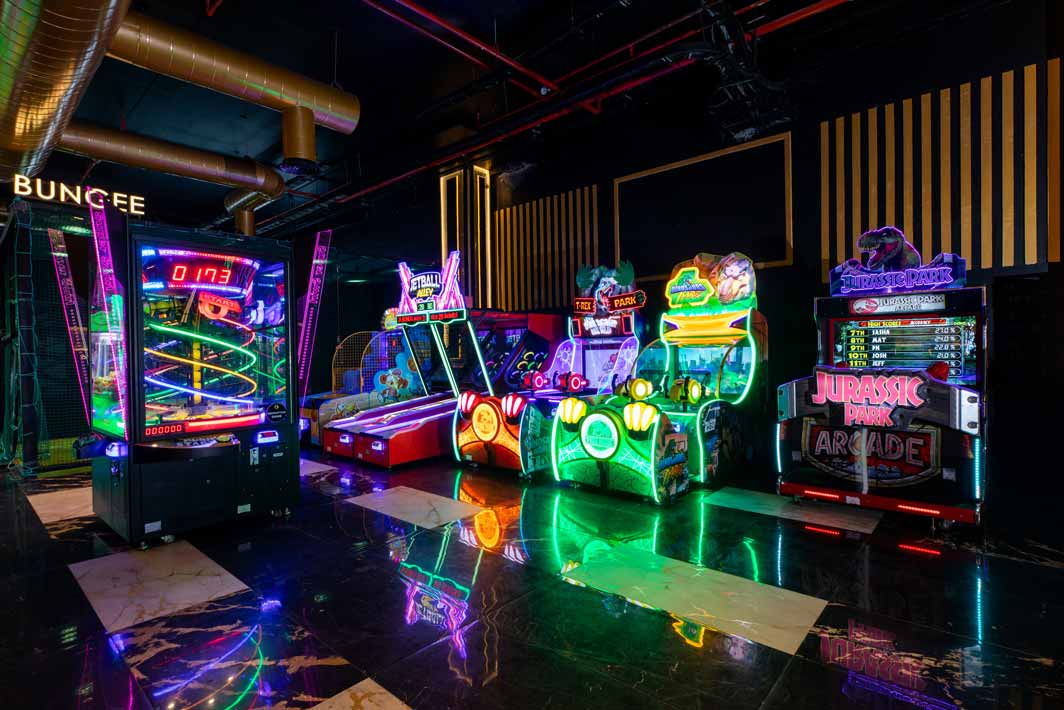
It is easy to dismiss an arcade as just a room full of machines. But look closer. What do you see? You see two friends hunched over a racing simulator, elbows touching, yelling as they take a sharp turn. You see a dad showing his daughter how to line up a shot in a basketball game. You see a group of coworkers laughing at the person flailing around in VR games.
This is not solo entertainment. This is a social space.
Unlike a movie theater where you sit in silence, an arcade buzzes with interaction. You talk about the game. You strategize together. You celebrate wins and laugh off losses. It is a low-pressure environment where conversation flows naturally because you have something to react to.
In cities everywhere, people search for a game center near me not just to kill time. They search for it to be with people. An entertainment hub like The Game Palacio understands this deeply. It designs its space to encourage this interaction. The machines are close enough to create energy. The seating is nearby so the non-players can still feel part of the fun.
How Arcades Build Friendships Through Competition and Collaboration
There is a special kind of magic that happens when you compete with a friend in an arcade. It is different from competing online. Online, you are just a username. You might send a sarcastic message in the chat. But you do not see their face.
In person, you see the smile. You see the frustration. You give a real high-five.
Competition: A little friendly rivalry is healthy. Challenging your friend to a round of Arcade Gaming on a fighting game or a racing game gets the adrenaline going. It is a safe way to be competitive. The stakes are low. The bragging rights are high. It strengthens bonds because you are sharing an intense moment together.
Collaboration: Many modern arcade hits are co-op games. You have to work together to survive a zombie attack in a shooter or escape a virtual room in VR games. You have to communicate. You have to trust each other’s instincts. This builds a different kind of connection. It builds teamwork.
The Game Palacio offers both types of experiences. You can go head-to-head in a racing sim. Or you can team up in a bowling alley lane. You leave not just with a score, but with a shared story.
Family Bonding: Why Arcades Work Across Ages
Finding an activity that a teenager and a grandparent both enjoy is the holy grail of family outing planning. The park is too hot. The museum is too quiet. The fancy restaurant is too stressful with kids.
An arcade? It just works.
There is something beautifully democratic about an arcade. A six-year-old can have fun playing a simple whack-a-mole game. A sixteen-year-old can dominate a complex rhythm game. A sixty-year-old can rediscover their youth playing skee-ball or Arcade Gaming classics.
Everyone is in the same room. Everyone is engaged. You are not sitting at a table waiting for food. You are moving. You are laughing. You are creating memories that are active, not passive.
This is the power of a well-designed entertainment hub. At The Game Palacio, families can spread out. Some hit the arcade games. Some bowl a few frames. Some just sit in the lounge area with food and beverages and watch the fun. It is a space that respects every generation.
Skills You Pick Up: Reflexes, Strategy, Patience and Sportsmanship
We often think of gaming as a waste of time. But when you step away from the solo console at home and into a social arcade, you are actually practicing life skills without realizing it.
Reflexes: Games demand quick reaction times. Hand-eye coordination improves naturally.
Strategy: You only have so many coins or credits. Do you try the hard level or play it safe? You learn resource management.
Patience: You wait your turn. You watch someone else play and learn from their mistakes.
Sportsmanship: This is the big one. You learn how to lose. In an arcade, you lose a lot. But because you are with friends, you learn to shrug it off. You learn to say “good game.” You learn that the fun was in the playing, not just the winning.
These are social skills that translate directly to the workplace and to relationships.
Inclusivity and Accessibility: Low Barrier Fun for Everyone
Not everyone can play football. Not everyone can hike a mountain. But almost anyone can play arcade games.
There is no skill requirement. You do not need to be athletic. You do not need special equipment. You just walk up to a machine, put in a coin or swipe a card, and you are in the game. This low barrier to entry makes arcades one of the most inclusive forms of entertainment available.
Whether it is a child with different physical abilities or an adult who feels intimidated by traditional sports, an arcade welcomes them. VR games can transport someone with limited mobility to a virtual mountaintop. Racing games let anyone feel the thrill of speed.
An entertainment hub that prioritizes accessibility creates a community. It says, “Everyone is welcome here.”
Nostalgia and Community Culture: Why Arcades Still Matter Today
In the age of Netflix and home delivery, why do people still go out to arcades? Why do they search for a game center near me when they could just download a game on their phone?
It is about nostalgia. For adults, the sounds of an arcade transport them back to their childhood. It is a comfort. It is a reminder of simpler times when the biggest problem was running out of quarters.
But it is also about community culture. We crave shared experiences. We are tired of watching life through a screen alone. An entertainment hub like The Game Palacio offers a third place. It is not home. It is not work. It is a place where you can just be.
When you combine that nostalgia with modern amenities like multicuisine food and a bowling alley, you get something special. You get a place that honors the past but lives in the present. The Game Palacio captures this perfectly. It is a modern entertainment hub that feels both fresh and familiar.
Conclusion
We live in a time of incredible technological connection. Yet we often feel more alone than ever. We have a thousand online friends. But we struggle to find people to hang out with on a Friday night.
This is why the social importance of arcade games cannot be overstated. They are not just machines. They are magnets. They pull people together. They force us to look up from our phones and into the eyes of a friend, a child, or a colleague.
They build friendships through friendly competition. They bridge the gap between generations during a family outing. They teach us patience and grace. And they do it all while making us smile.
So the next time you feel the walls closing in, do not open another app. Go find a game center near me. Go to The Game Palacio. Grab a friend. Grab a joystick. Rediscover what it means to play together.
Frequently Asked Questions
Q1: Are arcade games just for kids?
A: Not at all. Arcade games and Arcade Gaming are for everyone. Many modern entertainment hub venues like The Game Palacio have sophisticated games like racing simulators and VR games designed specifically for adults and young professionals.
Q2: How do arcades help with social anxiety?
A: Arcades provide a structured activity. You do not have to worry about awkward silences because the game provides the focus. It is a low-pressure way to interact with others and build confidence in a social setting.
Q3: Can I host a corporate team building event at an arcade?
A: Yes. The Game Palacio specializes in Unique Corporate Party Ideas with Food, Drinks and Gaming. It is a fantastic way to break down office barriers and get colleagues interacting in a fun, neutral space.
Q4: What makes a modern entertainment hub different from an old-school arcade?
A: A modern entertainment hub like The Game Palacio combines arcade games with other activities like a bowling alley, a full restaurant serving multicuisine food, and a bar for food and beverages. It is a complete evening out rather than just a quick stop.
Q5: Is it expensive to play arcade games?
A: It can be as affordable or as premium as you want. Many places use reloadable game cards. You control how much you spend. The Game Palacio often offers combo packages that include game credits and food.
Q6: Do arcades still have classic games or only new ones?
A: The best entertainment hub spots have a mix. You will find classic basketball shootouts and racing games alongside cutting-edge VR games and immersive Arcade Gaming experiences. It appeals to both nostalgia and the desire for new thrills.